Key Takeaways
- A free nights plan charges $0 per kWh for the energy supply portion during defined overnight hours, but TDU delivery charges still apply.
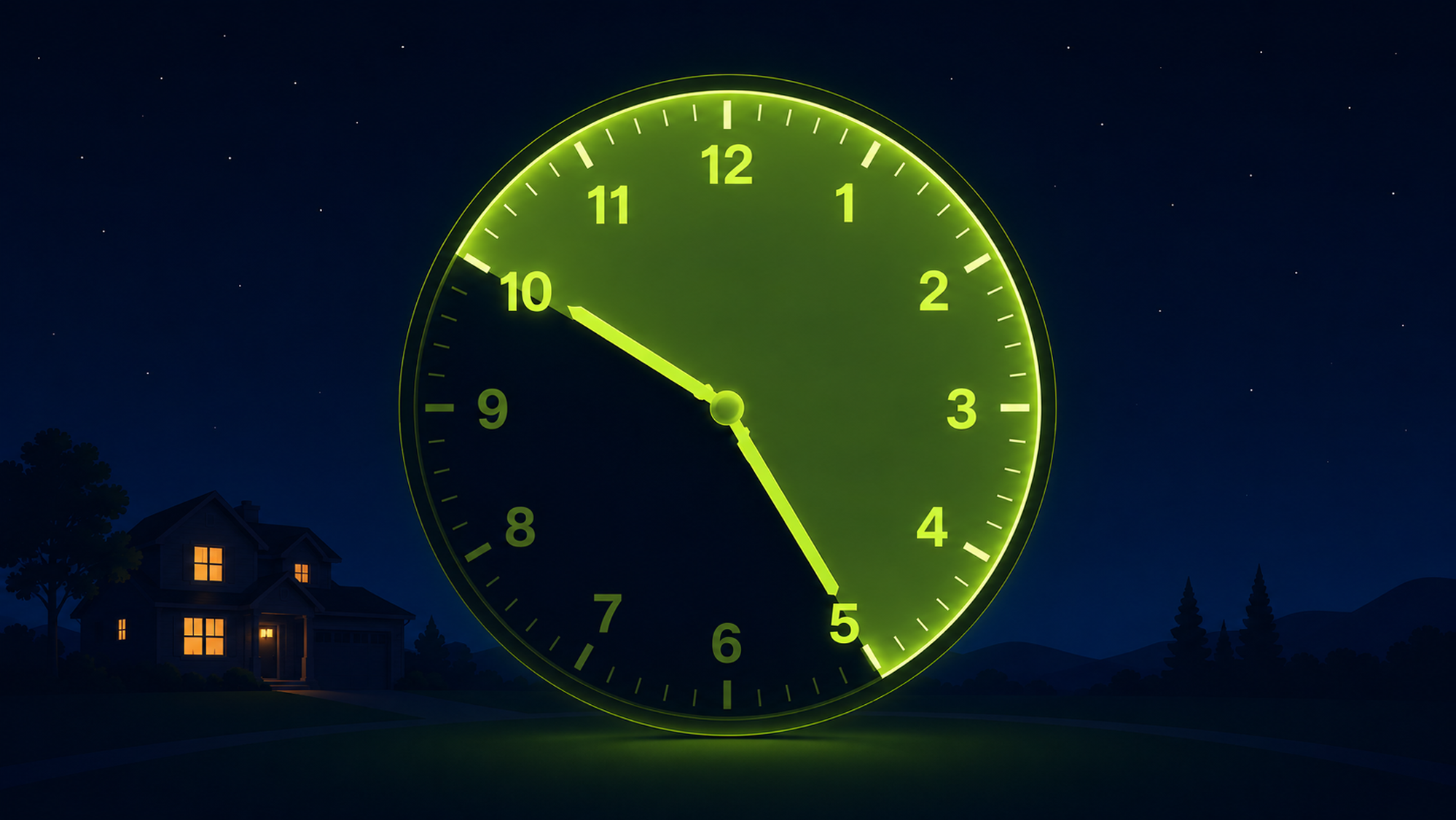
- Common free windows include 9 PM to 6 AM, 8 PM to 7 AM, and 10 PM to 6 AM.
- Free nights plans generally work best when at least half of household usage occurs overnight, while flat rates often win below 40%.
- A Level 2 EV charger can shift 30 to 60 kWh into a 6 to 8 hour overnight window, making EV owners strong candidates for free nights pricing.
- Compare the daytime rate, monthly fees, contract term, early termination fee, and exact free hours before enrolling.
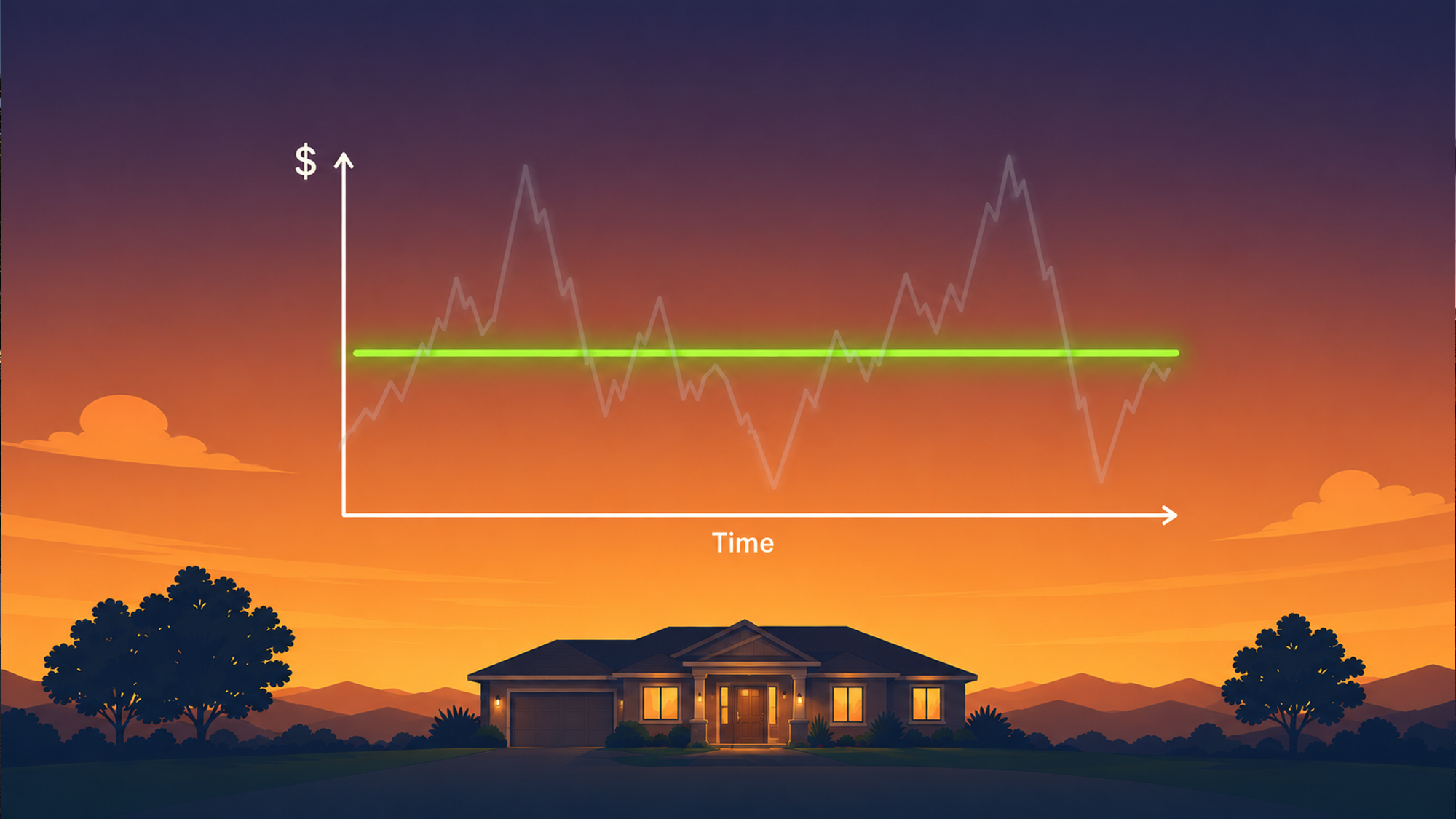
A free nights electricity plan is a type of time-of-use (TOU) rate where you pay nothing for the energy supply portion of your electricity bill during specific overnight hours. The tradeoff is higher daytime rates. Whether this structure saves you money depends entirely on how much of your usage you can shift to the free window.
How Free Nights Plans Work
Free nights plans are a specific application of time-of-use pricing. In a standard TOU plan, you pay lower rates during off-peak hours and higher rates during on-peak hours. A free nights plan takes the off-peak rate to its logical extreme: $0/kWh during the overnight window.
The free window definition is the most important detail to get right. Common structures:
- 9 PM to 6 AM: 9 hours, standard overnight window
- 8 PM to 7 AM: 11 hours, longer coverage that includes early morning usage
- 10 PM to 6 AM: 8 hours, tighter window that avoids early evening peak
The window affects how much of your natural usage pattern falls inside versus outside it. Most households use more electricity between 6 PM and 10 PM (dinner, TV, devices, kids home) than between 10 PM and 6 AM. A plan with a 10 PM cutoff may leave your heaviest usage hours at full daytime rates.
Who Benefits From a Free Nights Plan
The math is simple: if you can shift a high percentage of your usage to the free window, the $0/kWh rate more than offsets the higher daytime rates. If you can’t shift much, the higher daytime rates may cost you more than a flat-rate plan would.
Free nights plans work best for:
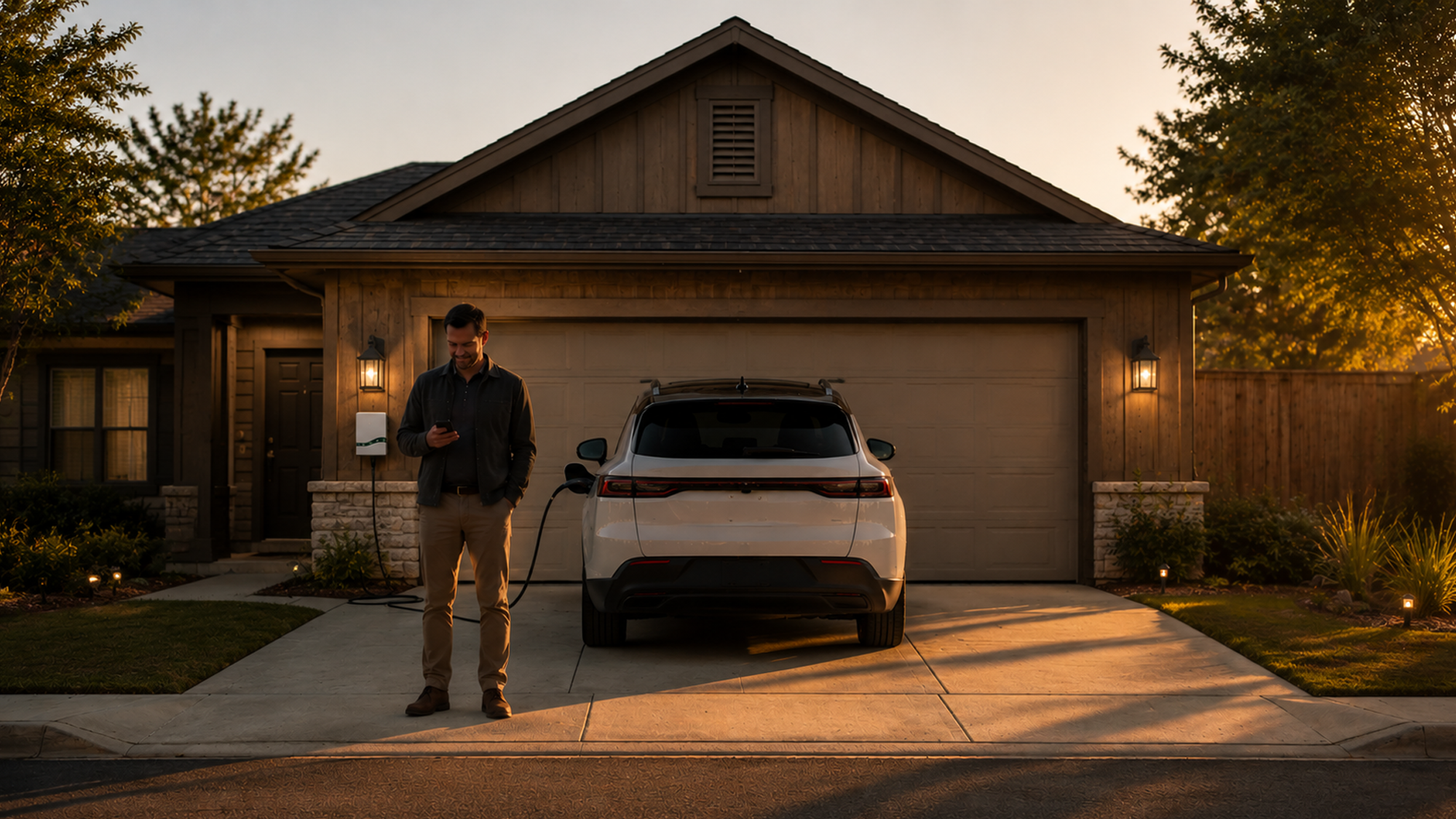
EV owners who charge overnight. A level 2 charger running for 6-8 hours overnight can easily pull 30-60 kWh through the free window. For many EV households, overnight charging is the single biggest electricity cost, and moving it to a free window eliminates that cost entirely. For a plan built specifically around EV charging rather than general off-peak savings, an EV-specific plan structures the rate windows around the charger itself.
Households that are mostly empty during the day. If you’re at work from 8 AM to 6 PM and run your major appliances in the evening and overnight, a free nights plan captures most of your usage at $0.
Smart home users who can automate load shifting. If your dishwasher, washing machine, and EV charger are all scheduled to run overnight, you’ve automated most of the savings without changing your daily routine.
Free nights plans are harder to justify for:
Work-from-home households with consistent daytime electricity demand.
Households without flexible loads. If your biggest usage drivers are HVAC (runs based on outdoor temperature, not schedule), refrigeration, and lighting, there’s not much to shift.
Free Nights Plan vs. Fixed Rate: A Realistic Comparison
| Scenario | Fixed rate (11¢/kWh) | Free nights (20¢ day / $0 night) | Verdict |
|---|---|---|---|
| 70% usage overnight | $77/mo | $33/mo (only 30% billed at 20¢) | Free nights wins clearly |
| 50% usage overnight | $77/mo | $55/mo (50% billed at 20¢) | Free nights wins, but modestly |
| 30% usage overnight | $77/mo | $77/mo (70% billed at 20¢) | About equal; flat rate probably better once fees are factored in |
| Work from home, heavy AC | $110/mo | $140+/mo (peak-hour HVAC dominant) | Fixed rate wins |
These examples assume 700 kWh/month. Real numbers vary with usage pattern and specific plan rates.
The decision point is typically around 50% overnight usage. Above that, free nights plans save money. Below 40%, flat-rate plans usually win. In the middle, it depends on the specific rates and monthly fees.
What to Check in the Electricity Facts Label
Every Texas REP must publish an Electricity Facts Label for each plan. For a free nights plan, the critical fields are:
The exact free window hours. This is the single most important factor. The EFL will define exactly when the free period begins and ends.
The daytime rate. This is what you pay for every kWh outside the free window. If it’s 30-40% above a competitive flat rate, you need significant overnight shifting to come out ahead.
Average price at 500, 1,000, and 2,000 kWh. Texas law requires this. A free nights plan often looks favorable at 2,000 kWh (where EV charging and other overnight loads push a lot of usage into the free window) and less favorable at 500 kWh (where the higher daytime rate applies to most usage).
Monthly fees. Base charges and customer fees apply regardless of usage. On a low-usage month, these can materially affect your effective rate.
Contract term and early termination fee. Free nights plans are often offered on 12 or 24-month contracts.
How to Actually Shift Usage to the Free Window
The gap between “free nights sound great” and “I’m actually capturing those savings” is behavioral discipline, or automation.
EV charging: The highest-impact single change. A level 2 charger scheduled to run from 10 PM to 6 AM pulls most of a car’s daily charging needs through the free window. Set this once in your charger app and it runs automatically.
Dishwasher: Use the delay-start setting to run after 9 PM. A dishwasher cycle is 1.5-2 kWh. Running it overnight instead of right after dinner saves that usage at full daytime rates.
Washing machine and dryer: Washer cycles are 0.5-1 kWh each; dryers are 5-6 kWh per cycle. If you can batch laundry to overnight, the dryer in particular shifts significant load.
Pool pump: If you have a pool, the pump is often one of the largest discretionary loads in the house. Most modern pool controllers let you schedule run times. Moving pump cycles to the free window is one of the most straightforward ways to capture savings on a free nights plan.
Pre-cooling: A smart thermostat can cool your home to 72°F before the daytime rate kicks in, then let it drift up to 76°F by late afternoon. The thermal mass of a cooled house delays when your AC needs to run hard during peak hours. This doesn’t fully shift the load, but it reduces it.
Estimating Your Own Savings
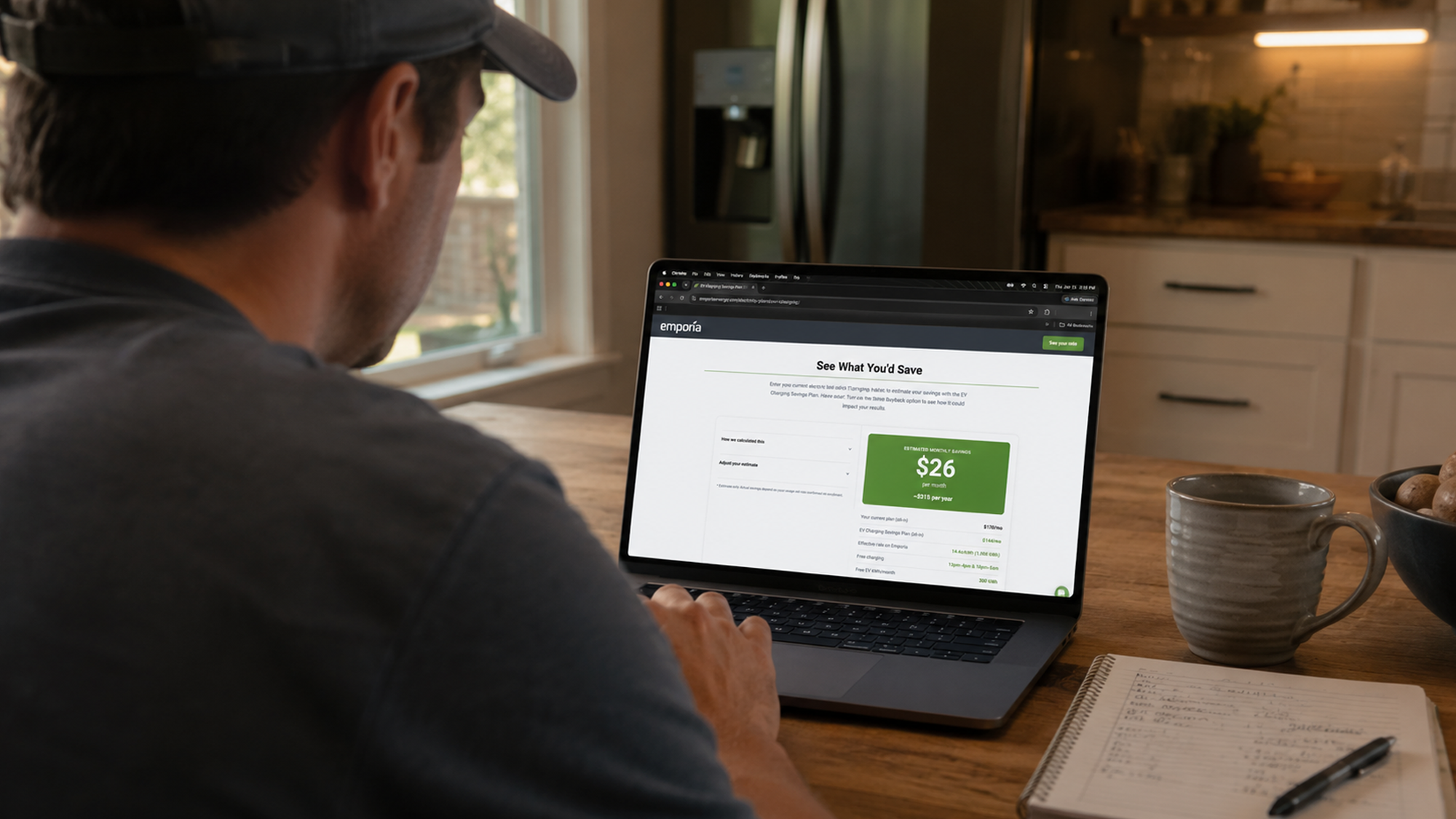
The calculator below estimates how a free nights plan compares to your current flat rate, based on your current monthly usage and how much of it you can shift overnight.
What Emporia Offers Right Now
Emporia currently offers a Fixed Plan, Solar Rewards Plan, and EV Charging Savings Plan (requires an Emporia EV charger, available in Texas deregulated areas) in Texas. Emporia electricity plans are offered in partnership with Light, a licensed retail electricity provider. Which plans are available at your address depends on your service territory.
If you want to understand your own usage profile before committing to any plan, the Vue 3 is the clearest way to see whether a time-of-use structure would work for your home.
Frequently Asked Questions
Compare Emporia Electricity Plans.
See plans built for predictable bills, EV charging, and solar.