Key Takeaways
- Load management monitors home electricity use and automatically adjusts flexible loads, such as EV charging, to keep the electrical panel within safe limits.
- Dynamic load management increases or reduces charging in real time as appliances turn on and off, while static systems use fixed power limits.
- A load management system costing roughly $600-$1,000 can avoid a panel upgrade that commonly costs $5,000-$10,000.
- Nearly 50% of US homes may need an electrical upgrade for Level 2 charging without load management.
- The Emporia Pro includes PowerSmart, which combines a Vue Energy Monitor, the Emporia app, and automatic charger adjustments to provide code-compliant load management.
You’ve finally decided to buy an electric vehicle. You’re excited about lower fuel costs, helping the environment, and joining the EV revolution. Then you call an electrician to install a home charger, and they drop the bomb: your electrical panel can’t handle it. You’ll need a panel upgrade that costs $8,000 or more.
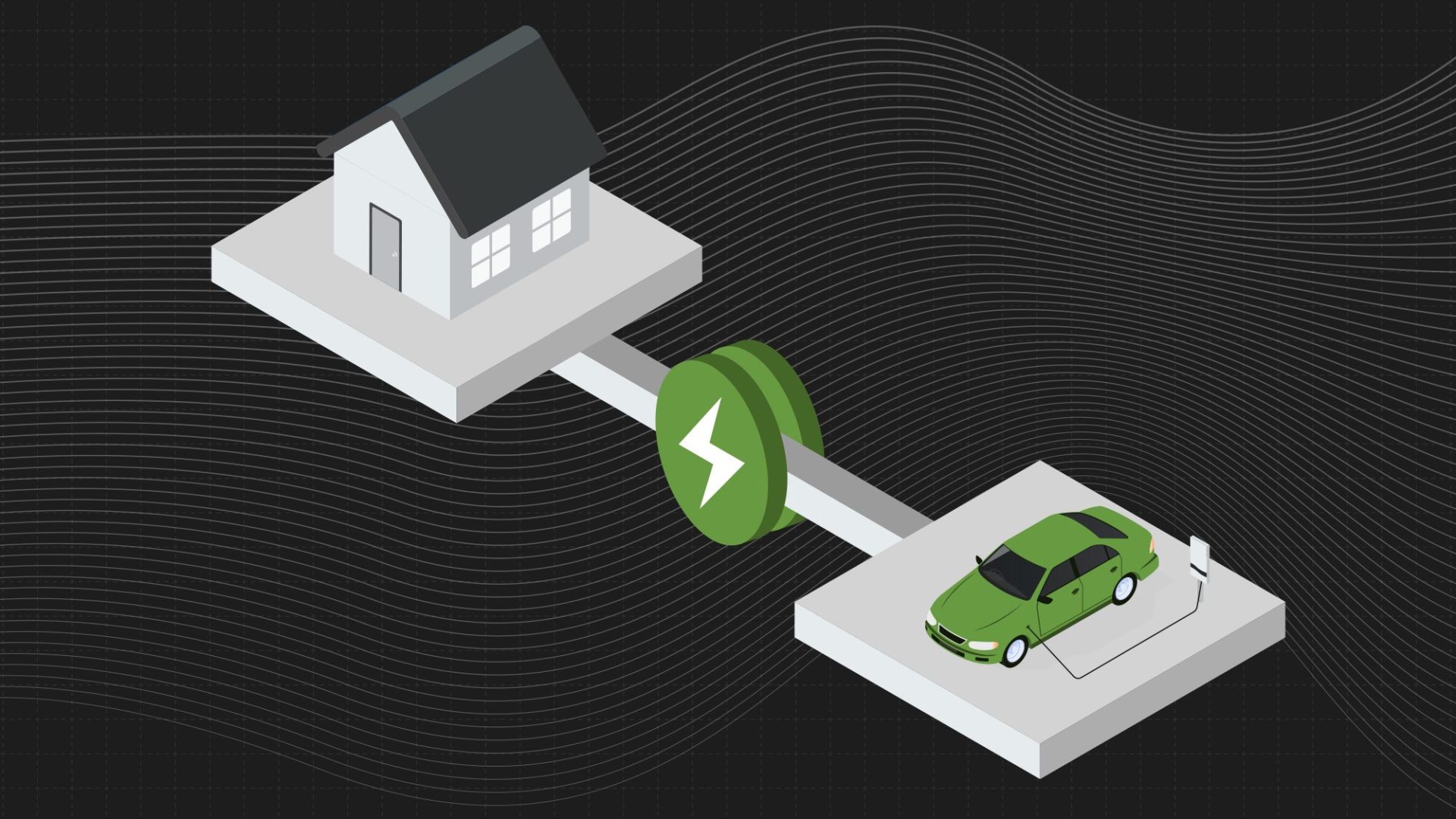
This scenario plays out in homes across America every day. The good news? There’s a better solution. Load management technology allows you to install high-power devices like EV chargers without the expensive panel upgrade. It’s like giving your home’s electrical system a smart brain that optimizes power distribution automatically.
In this guide, we’ll explain what load management is, how it works, and why it’s becoming essential for modern homes. We’ll also explore how Emporia’s PowerSmart technology makes professional-grade load management accessible and affordable for homeowners.
What Is Load Management?
Load management is the process of controlling and optimizing how electrical power gets distributed throughout your home. Think of it as a smart traffic controller for your electricity. Instead of letting power flow without limits until something trips a breaker or causes problems, load management actively monitors and adjusts power distribution to keep everything running safely.
The Problem It Solves
Your home’s electrical panel (the breaker box in your garage or basement) has a maximum amount of power it can handle at any given time. This capacity is measured in amps, and most homes have either a 100-amp or 200-amp service panel. When you add up all the devices and appliances that could potentially run at the same time, the total often exceeds what your panel can safely provide:
-
Air conditioning (20-50 amps)
-
Water heater (15-30 amps)
-
Electric range (30-50 amps)
-
Dryer (20-30 amps)
-
EV charger (30-48 amps)
-
Plus dozens of other circuits and appliances
Traditional thinking assumed you’d never run everything at full power simultaneously, so electricians could install circuits that theoretically add up to more than your panel’s rating. This worked fine when homes had fewer high-power devices. But modern life has changed. Electric vehicles, heat pumps, induction cooktops, and other new electric appliances are pushing our electrical systems to their limits.
That’s where load management becomes essential. Instead of upgrading your entire electrical service (an expensive and time-consuming process), load management technology intelligently balances your power usage to work within your existing system’s limits.
How Load Management Works
Load management sounds complex, but the underlying concept is simple: monitor how much power your home is using right now and automatically adjust power to different devices to stay within safe limits.
Real-Time Energy Monitoring
At the heart of any load management system is continuous monitoring. Sensors installed in your electrical panel track exactly how much power is flowing through your system at any given moment. Modern load management systems measure power consumption multiple times per second, creating an accurate, up-to-the-moment picture of your home’s energy usage.
Automatic Power Distribution
Once the system knows how much power your home is using, it can intelligently distribute available capacity to different devices. The system identifies which devices are flexible (like EV charging, which can happen slower without major inconvenience) and which are essential (like your refrigerator or lights).
Here’s how it works in practice: Imagine you’re charging your EV at full speed when someone turns on the oven and starts the dishwasher. The load management system detects that total demand is approaching the limit and automatically reduces your EV charging rate to make room for these other devices. Your car still charges, just a bit slower for the moment. Once the dishwasher finishes or the oven cycles off, the system automatically increases EV charging speed again.
The beauty of modern load management is that all of this happens automatically in the background. You don’t need to think about it, manually adjust settings, or monitor your power usage.
Two Approaches to Load Management
Static Load Management
Static load management uses pre-determined, fixed power limits that don’t change based on actual usage. If you have two EV chargers with 48 amps of total available power, each charger might be given 24 amps regardless of whether one car is actually charging or not.
Best for: Situations where energy consumption patterns are predictable and consistent, or where simplicity is more important than optimization.
Dynamic Load Management
Dynamic load management continuously monitors actual power consumption and adjusts distribution in real-time. A dynamic system would give the first EV the full rated amps when it’s charging alone. When a second EV plugs in, the system automatically splits the available power between both vehicles.
Best for: Homes with varying energy usage patterns and multiple high-power devices. Modern homes with electric vehicles, solar panels, and different appliances running at different times benefit most from this intelligent, adaptive approach.
The Benefits of Load Management
Avoid Costly Electrical Panel Upgrades
This is the big one. The numbers tell the story:
-
Typical panel upgrade cost: $5,000 to $10,000 (sometimes more)
-
Process includes: Working with your utility company, permits, possibly digging trenches for new lines, installing a new meter and panel, and updating your home’s wiring
-
Timeline: Several weeks to months
-
Nearly 50% of US homes would need this upgrade for Level 2 EV charging
The math is simple: If a load management system costs $600 to $1,000 but saves you an $8,000 panel upgrade, you’re coming out thousands of dollars ahead.
Support Home Electrification Goals
Beyond EVs, homeowners are increasingly switching to electric versions of traditional appliances like heat pumps, induction cooktops, electric water heaters, and electric dryers. All offer efficiency and environmental benefits, but they also need significant electrical capacity. Load management makes it possible to adopt these technologies without the electrical infrastructure limitations that have historically held people back.
Maximize Your Existing Electrical Capacity
Most homes have unused electrical capacity sitting idle at any given time. Your dryer isn’t running 24/7, your oven only heats occasionally, and your heating and cooling system cycles on and off. Load management recognizes when capacity becomes available and automatically shifts power to where it’s needed. If your dryer finishes and frees up 30 amps, your EV charger can immediately use that capacity.
Safety and Code Compliance
Electrical overloads aren’t just inconvenient when they trip breakers. They can be genuinely dangerous, potentially causing fires or damaging your home’s electrical system. Load management provides continuous protection by ensuring your home never exceeds safe electrical limits. Modern systems are recognized by the National Electric Code (the rulebook electricians follow) as legitimate alternatives to panel upgrades.
How Load Management Enables Fast Home EV Charging
Electric vehicle charging is where load management shows its value most clearly. A Level 2 home EV charger (the faster kind you install at home) typically draws 30 to 48 amps at 240 volts—equivalent to running your AC, oven, and dryer simultaneously. That’s a massive amount of power that older electrical panels simply weren’t designed to handle.
Load management solves this problem by recognizing a simple truth: you rarely run everything in your home at maximum power simultaneously. When you’re charging your EV overnight, you’re probably not also running your dryer, cooking on your electric stove, and heating water all at the same time.
Here’s a typical evening scenario with load management:
6 PM: You plug in your EV. Air conditioning is running, someone’s cooking dinner. The system calculates about 15 amps of available capacity and sets your EV charger accordingly.
7 PM: Dinner finishes and the stove turns off, freeing up 20 amps. The system immediately adjusts your EV charger up to 35 amps.
9 PM: Air conditioning cycles off as the temperature cools. Charging speed increases again, this time up to the maximum 48 amps.
Midnight: When most systems are idle, your EV charger runs at full capacity, adding significant range while you sleep.
All of this happens automatically without you touching a single setting.
Dynamic Load Management in action - as home energy use increases, the charger slows down to avoid overloading your electrical panel. When overall usage goes back down, the charger speeds up again.
PowerSmart: Load Management Made Simple
Emporia’s PowerSmart brings professional-grade load management capabilities to homeowners in an accessible, affordable package. It works through three key components:
-
Vue Energy Monitor: Installs in your electrical panel and continuously monitors total energy consumption
-
Emporia App: Shows real-time energy usage and displays how PowerSmart is managing your charging
-
Emporia EV Charger: Automatically adjusts charging rate based on available capacity
How PowerSmart Works
The Vue Energy Monitor continuously measures exactly how much power your home is drawing. If your home is using 80 amps of your 100-amp service capacity, PowerSmart knows that approximately 20 amps are available for EV charging (before accounting for a safety buffer). The system automatically adjusts your charger’s output to use this available capacity safely.
As your home’s power consumption changes throughout the day, PowerSmart responds instantly. Other appliances turning on means EV charging rate decreases. Appliances turning off means charging rate increases. All adjustments happen smoothly and automatically.
What Makes PowerSmart Different
Code-Compliant: PowerSmart is allowed by the National Electric Code (NFPA 70, sections 625.42 and 750.30) as a legitimate alternative to electrical panel upgrades. It’s not experimental technology—it’s a code-compliant, inspector-approved solution.
Scales with Your Needs: Works seamlessly with one or multiple Emporia EV chargers (if they’re wired to separate circuits in the same electrical panel). When you install a second charger, PowerSmart can automatically coordinate power distribution between both units. Importantly, you can also use our Intelligent Load Sharing feature to share power among chargers in a subpanel or sharing a circuit.
Integrated Energy Management: The same Vue Energy Monitor that enables PowerSmart also powers other features like Excess Solar Management (uses your solar panel production to charge your EV), Peak Demand Management (helps avoid costly utility charges), and Smart Scheduling (shifts charging to off-peak hours when electricity is cheapest).
Simple Setup: After your electrician installs the Vue and connects your charger, open the app, follow the setup wizard, enter your panel’s power rating, and PowerSmart starts working immediately.
Accessible Pricing: PowerSmart comes bundled with the Emporia Pro EV Charger. For those who already have an Emporia Classic EV Charger, PowerSmart can be added for an additional cost.
Is Load Management Right for Your Home?
Signs Load Management Could Help You
-
You’re planning to buy an EV and install a home charger
-
An electrician told you that you need a panel upgrade
-
Your electrical panel is at or near capacity
-
You want to add major appliances but dread the cost
-
You have multiple high-power devices
-
Your home has 100-amp service or an older 200-amp panel
When Load Management Might Not Be Necessary
If you have a newer home with 200-amp or larger electrical service and relatively low current usage, you might have plenty of spare capacity. Homes with only one or two major electrical devices and no plans for additional high-power appliances might not benefit much from load management.
Getting Started
If load management sounds right for your home:
-
Check your electrical panel’s main breaker for the power rating (in amps)
-
Note which major appliances you currently have and what you’d like to add
-
Get a quote for a traditional panel upgrade and compare against load management costs
-
Explore Emporia options—the Pro EV Charger comes with PowerSmart built in Example calculation: If an electrician quotes $8,000 for a panel upgrade but a load management system with an EV charger costs $1,500 to $2,000, you’re saving thousands of dollars.
Take the Power Back
Load management represents a fundamental shift in how we think about home electrical systems. Instead of being limited by fixed infrastructure installed decades ago, we can now use intelligent software and real-time monitoring to make our existing systems work smarter.
For the millions of homeowners looking to install EV chargers, heat pumps, and other electric appliances, load management removes the single biggest barrier: cost. You don’t need to spend thousands on panel upgrades. You need smart technology that optimizes what you already have.
Emporia’s PowerSmart makes professional-grade load management accessible to every homeowner. It’s safe, affordable, simple, and comprehensive, and ensures your home’s electrical system operates at peak efficiency without exceeding safe limits.
The era of expensive electrical upgrades being the only path to home electrification is ending. Load management is the smarter, more affordable alternative. Your existing electrical panel has more capability than you might think. With the right technology managing it, you can power the all-electric future without breaking the bank.
Ready to explore how PowerSmart can help your home? Learn more about the Emporia Pro EV Charger with built-in load management, or discover how our Vue Energy Monitor can transform your home’s energy management.
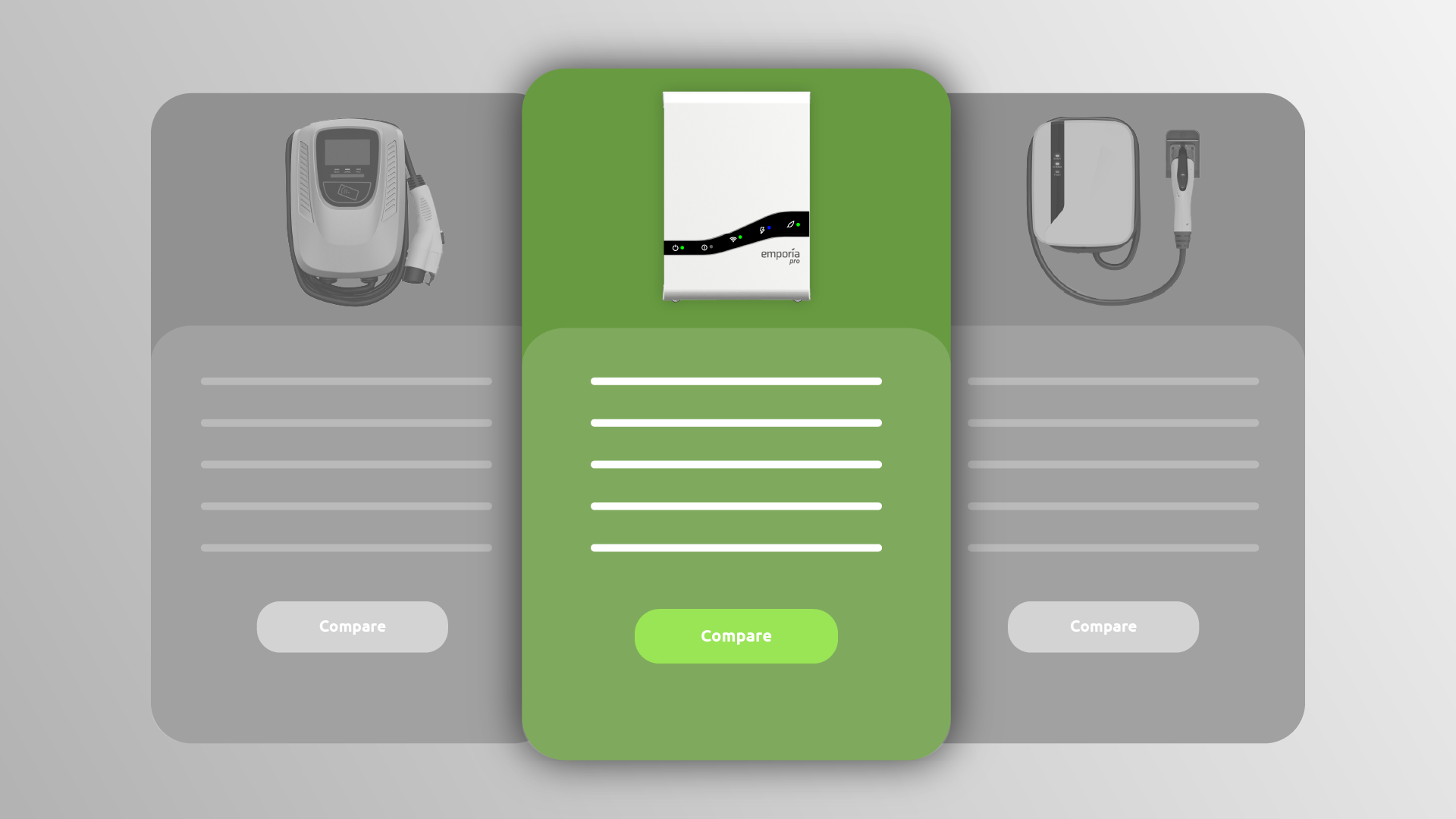
The Level 2 charger that installs on nearly any panel.
PowerSmart load management eliminates the $3,000-$8,000 panel upgrade most homes need.